

I used to love the idea that every word you say keeps traveling forever—getting smaller, quieter, but still out there somewhere.
Then I did some research.
Sound is a ripple in the air. And it fades for a plain reason: air and surfaces absorb the wave and spread its energy out, so it loses strength until you can’t hear it anymore.
But what grabbed me was this:
Sound doesn’t fade into nothing. It fades into somewhere.
The energy doesn’t vanish. It gets absorbed and scattered until it becomes warmth. You’d never notice it on your skin, but it’s still a real “something.” Not magic—just the kind of world God made.
And once that clicked, I started thinking about speech differently.
Because we talk like our words evaporate.
We fire off a comment and move on.
We “just vent” and act shocked when people act differently.
We toss out a “kidding” like it’s a Band-Aid.
But words land. They hit even when you don’t mean them to.
I still remember seeing it happen in real time. Nothing dramatic. A kitchen. A boy showing a drawing. A parent glanced down, half-smiled, and said, “Oh… cool.” Not cruel. Not even loud. But the kid’s shoulders dropped like someone took the air out of him.
That’s what I mean by “land.”
That’s why the Bible treats speech like it’s loaded.
James says the tongue is a fire. Not because it’s a science lesson—because it’s how life works. Fire spreads. Fire jumps. Fire finds the dry parts. One careless spark can torch trust you spent years building.
And then Pentecost—tongues of fire.
To me, that’s the other side of it. Words can burn. Words can also carry something holy. God can set it apart.
So here’s a question I ask myself:
When I open my mouth, what do I leave in the atmosphere?
Sound fades into our surroundings. Words do too.
They don’t last forever as sound—but they don’t vanish either. They turn into something inside somebody: solace, bravery, fear, remorse, peace, heat.
The goal isn’t to speak less.
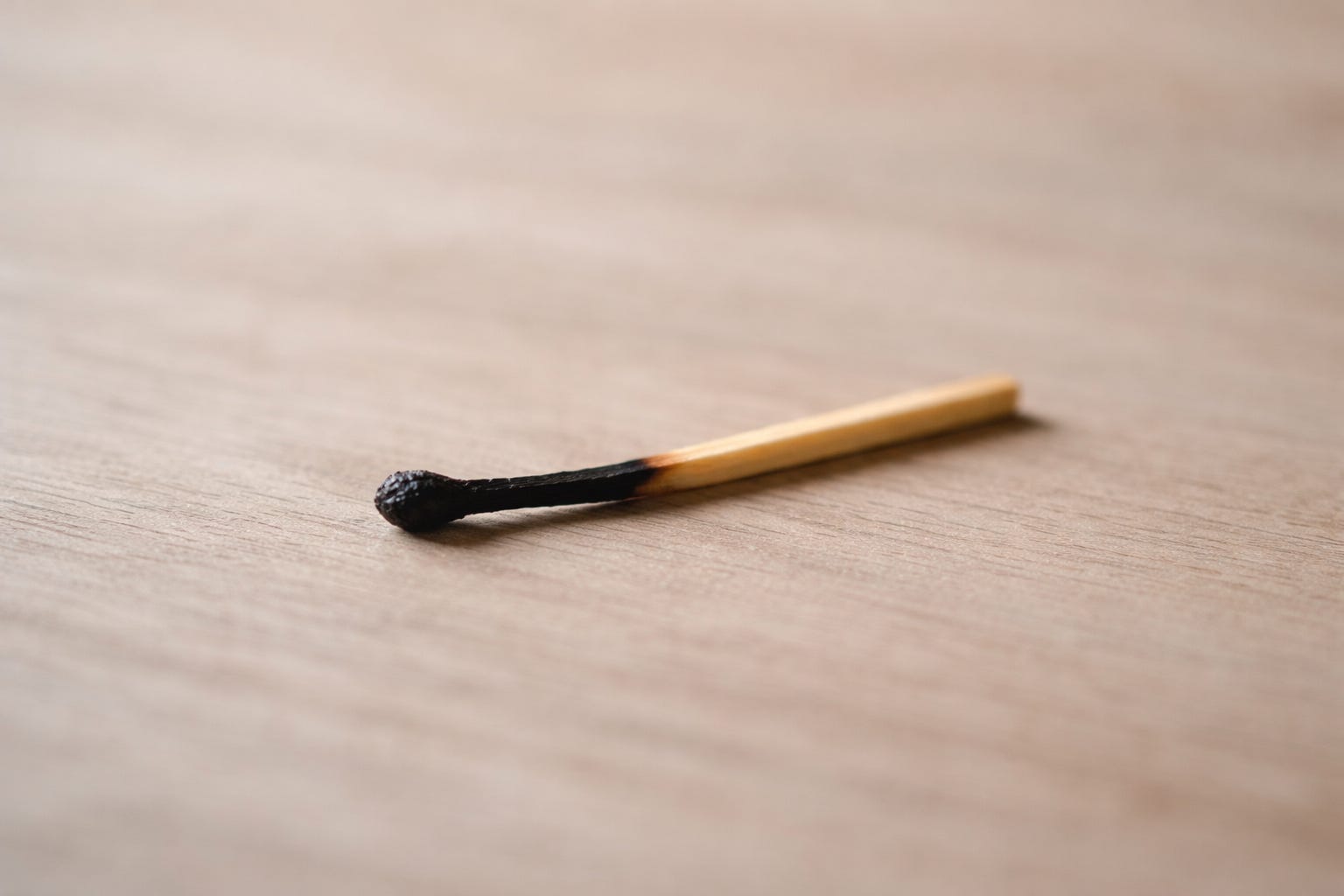
It’s to talk like I’m holding lit matches.